


Texas Agriculture Commissioner Sid Miller has issued an pressing alert to farmers to examine their pastures for a newly detected and extremely damaging pest: the pasture mealybug (Helicococcus summervillei).
In line with a launch from the Division of Agriculture (TDA), this invasive species, by no means earlier than reported in North America, has been confirmed in a number of Texas counties and is already inflicting vital injury to pasture acreage throughout the southeast portion of the state.
The pasture mealybug causes “pasture dieback,” leaving increasing patches of yellowing, weakened, and finally useless turf.
This pest was first detected in Australia in 1928; its first detection within the Western Hemisphere occurred within the Caribbean between 2019 and 2020.
The TDA is working with Texas A&M AgriLife Extension and USDA’s Animal and Plant Well being Inspection Service (APHIS) to coordinate a speedy response and shield Texas producers.
Mealybug historyAlthough the mealybug is simply now being noticed, researchers suspect it could have been launched earlier than 2022.
Since mid-April 2025, southern Texas pasture and hay producers have been reporting issues of their fields. These fields present grass patches turning into brown or necrotic, or patches which might be fully useless. Initially, it was presumed that signs have been attributable to one other mealybug known as the Rhodes grass mealybug, which has been reported within the U.S. since 1942. Nevertheless, additional investigations verify that it is this new pasture mealybug (Heliococcus summervillei).
It has devastated thousands and thousands of acres of grazing land in Australia and has since unfold globally. Its speedy copy, hidden soil-level feeding, and broad host vary make it a big menace to pasture well being and livestock operations.
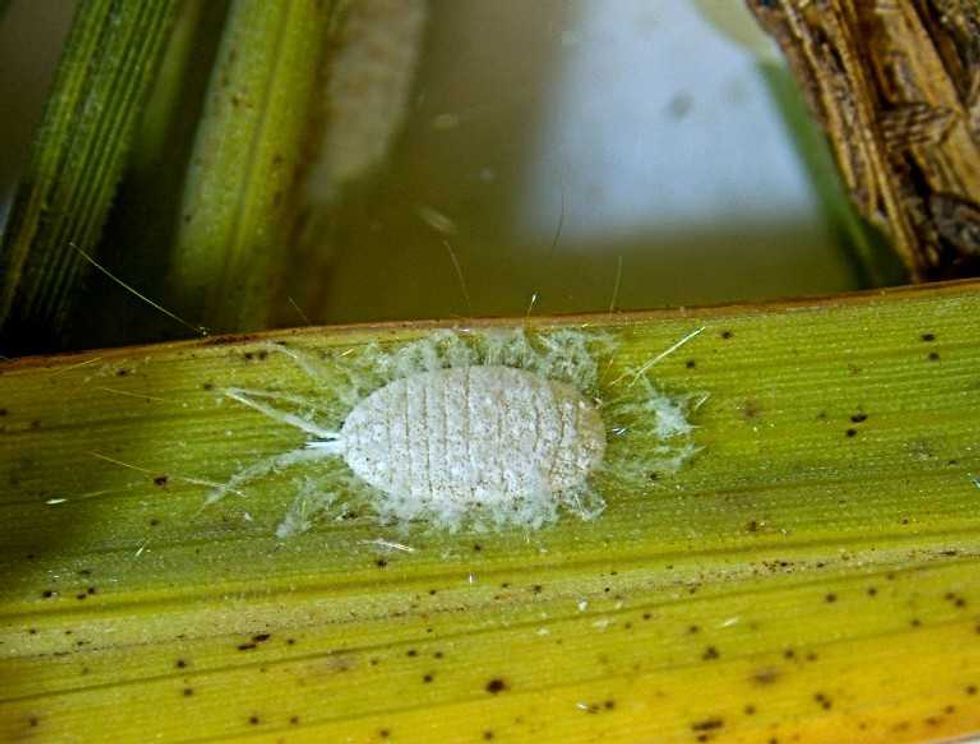 The mealybug is the most recent critter to wreak havoc in Texas.TAMU
Grownup females are roughly 2-5 mm lengthy, coated in a white, waxy coating. They’re able to producing almost 100 offspring inside 24 hours, leading to a number of generations per season. Whereas grownup females can reside for as much as 100 days, most injury is inflicted by the youngest nymphs, which feed on plant sap and inject poisonous saliva that causes grass to yellow, weaken, and die.
“This can be a fully new pest to our continent, and Texas is as soon as once more on the entrance traces,” Commissioner Miller says. “If the pasture mealybug spreads throughout Texas grazing lands prefer it has in japanese Australia, it may price Texas agriculture dearly in misplaced productiveness and diminished livestock capability. TDA is working hand-in-hand with federal and college companions to reply swiftly and shield our producers from this unprecedented menace.”
Houston has a problemThe estimated influence space at the moment covers 20 counties, primarily within the Houston space, however creeping nearer to San Antonio, together with: Cameron, Hidalgo, Willacy, Refugio, Calhoun, Victoria, Goliad, Dewitt, Lavaca, Fayette, Jackson, Matagorda, Brazoria, Galveston, Wharton, Colorado, Austin, Washington, Burleson, Brazos, and Robertson. AgriLife entomologists have submitted a proper Pest Incident Worksheet documenting vital injury to pastures and hayfields in Victoria County.
Analysis trials are underway to find out one of the best built-in pest administration choices. At the moment, there is no such thing as a identified efficient labeled insecticide for pasture mealybug.
Affected crops embrace: Bermudagrass, Bahia grass, Johnsongrass, hay grazer (sorghum–sudangrass), St. Augustine grass, numerous bluestem species, and different tropical or subtropical grasses. Harm can happen in leaves, stems, and roots.
Signs:Yellowing and discoloration of leaves inside every week of infestationPurpling or reddening of foliageStunted progress and drought stress regardless of rainfallPoorly developed root systemsDieback beginning at leaf suggestions and progressing downwardPremature getting older, making crops extra susceptible to pathogensHow to identify itScout recurrently for mealybugs on grass leaves, stems, soil floor, leaf litter, and beneath cow pattiesFocus on unmanaged areas resembling fence traces, ungrazed patches, and roadsidesLook for fluffy, white, waxy, or “fuzzy” bugs on blades and stemsIf crops seem unhealthy and bugs match this description, examine additional
“Early identification is vital, and we want each producer’s eyes on the bottom,” Commissioner Miller added. “We’re working diligently with our federal and state companions to find out easy methods to finest fight this novel menace and cease it in its tracks.”
For those who observe suspicious signs or bugs matching the descriptions above, contact TDA at 1-800-TELL-TDA instantly.